Medical Experts Explain Why Angithi Smoke Can Prove Deadly In Winter
Total Views |


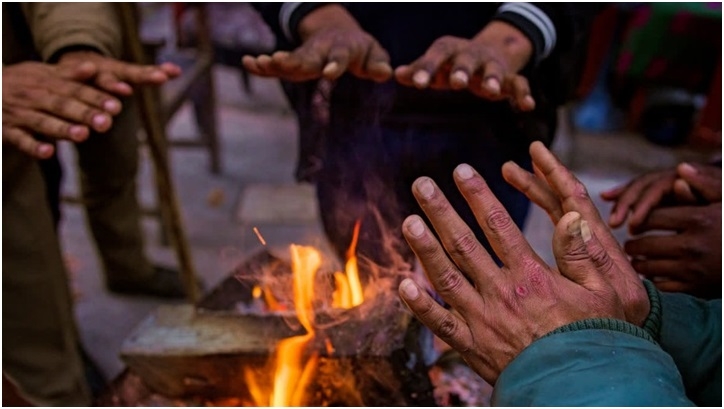
As winter intensifies, the use of angithis (coal or wood fires or traditional braziers), tandoors, and coal furnaces has increased across North India and Himachal Pradesh: in homes, shops, roadside eateries, garages, and construction sites. While these fires provide warmth, experts warn that they can also become silent killers. Doctors say the smoke from angithis poses a serious risk in winter, especially due to carbon monoxide (CO), an invisible and odourless gas.
Dr. Sandeep Chauhan, Professor of Chemistry at Himachal Pradesh University, explains that when coal or wood burns without enough oxygen (incomplete combustion), it produces carbon monoxide (CO). “This gas has no colour, smell, or taste, so people do not realise they are inhaling it,” he says. “CO binds to haemoglobin in the blood much faster than oxygen does. This stops oxygen from reaching the body’s organs. As a result, the body slowly suffocates, which can lead to death.”
Experts point out that the risk increases during winter because people often burn angithis in closed rooms to retain heat. This habit can cause symptoms such as headaches, dizziness, breathlessness, nausea, and fainting. In extreme cases, prolonged exposure can be fatal. Dr. Chauhan also explains the difference between carbon monoxide and carbon dioxide (CO2). While CO2 is produced during normal burning and is less dangerous, carbon monoxide is extremely toxic (about 100 times more harmful) and can cause death within one to two hours of exposure. Dr. Sonia Kashyap, MD (Medicine) at DDU Shimla, warns that sitting near an angithi for even one to two hours daily can be dangerous. "The risk is much higher for children, elderly people, pregnant women, and those suffering from asthma or heart disease. The harm is not limited to closed rooms; even regular exposure to smoke in open areas can lead to serious health problems over time," she says.
According to Dr. Kashyap, angithi smoke can cause eye irritation, headaches, shortness of breath, chest heaviness, lung inflammation, worsening of allergies, fatigue, and general weakness.