Holistic Lifestyle Changes Can Lower Your Risk Of Heart Attacks In Winter, Says Senior Cardiologist
Total Views |


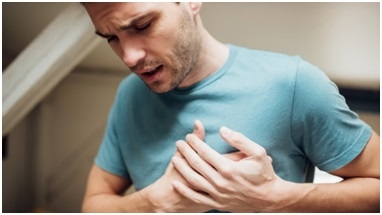
Cold weather sometimes creates a perfect storm of risk factors for cardiovascular problems. During winters, our bodies undergo certain physiological and biological adjustments to function optimally. “The oxygen density in the atmosphere becomes very low and the oxygen demand of our heart increases. Due to vasoconstriction (narrowing of artery) and decreased temperature, the flow of blood restricts around the heart and reduced the amount of oxygen reach to the heart and this ‘demand supply mismatch’ may cause a heart attack,” Dr. Anjan Siotia, Director – Cardiology, BM Birla Heart Hospital told ETV Bharat. Acute chest pain is the most common warning sign of heart attacks. Symptoms can vary between men and women. While men occasionally report nausea or dizziness, women are significantly more likely to experience atypical symptoms, sometimes leading them to disregard the signs.
“It is not possible to predict who will get a heart attack and when. Nobody is completely immune from this disease and it is a fact that any of us can get a heart attack anytime even after taking medications or after undergoing bypass surgery or angioplasty. We can, however, reduce our risk of having an attack by adopting a healthy lifestyle,” says senior cardiologist Dr. Siotia. There is usually no single reason for a heart attack. There are multiple risk factors and one has to address them together. There are non-modifiable risk factors for heart ailments like increasing age, being male and a family history of heart problems. “One cannot do anything about it. One can however, address the modifiable risk factors like diabetes, high blood pressure, high cholesterol, tobacco use, weight management, regular exercise, healthy diet and managing stress,” he says.
Cardiologist's Advice
Dr. Siotia recommends eating healthy food and exercising regularly to maintain good body weight. This will not only help in diabetes, BP and cholesterol management but will also reduce the risk of getting heart problems. Smoking and consumption of tobacco in another form is a major health risk and it must be completely shunned to reduce cardiac risk.
Last but not the least, stress is a major problem in modern societies and with increasing competition, this seems to not only be getting worse but also affecting many young people. Inculcating good habits at an early age will help a long way in reducing one’s cardiac risk.
“There is a saying that prevention is better than cure,” says Dr. Siotia. He gave ETV Bharat some precautionary measures for patients having major difficulties:
“People with weak hearts should be particularly careful during the winter season, they should continue to exercise regularly and modify their timings to avoid this extreme weather. Taking natural antioxidants may help keep the heart healthy. Also salt and water intake should be reduced as there is no loss to sweating in winter,” he says.